
Fixing System
Cast-in fixing sockets, also called ferrule inserts, leave a clean threaded point in precast concrete for bolting fittings on site. Choose plain, wavy, bent, cross-pin or nail-plate sockets from M8 to M30, fixing dowels, or hot- and cold-rolled cast-in channels for adjustable bolt positions. Stainless steel 304 and 316 on request.
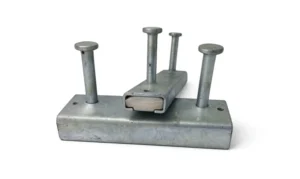
Cold Rolled Cast In Channel
View Details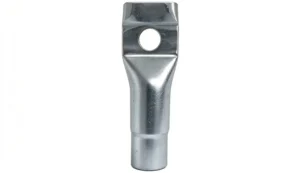
Fixing Dowel With Crimped End
View Details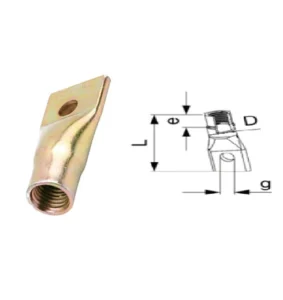
Fixing Socket
View Details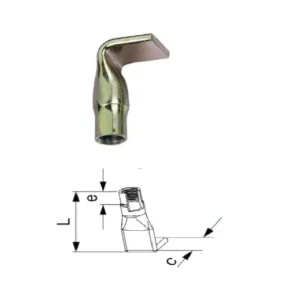
Fixing Socket With Bended End
View Details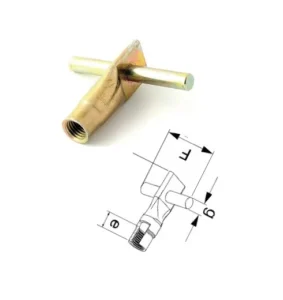
Fixing Socket with Cross Pin
View Details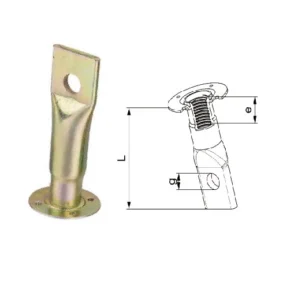
Fixing Socket With Nail Plate
View Details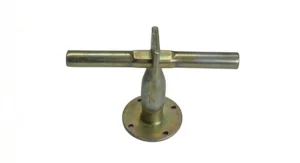
Fixing Socket With Nail Plate And Cross Pin
View Details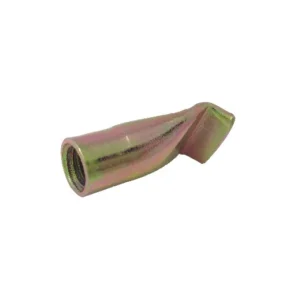
Fixing Socket With Wavy End
View Details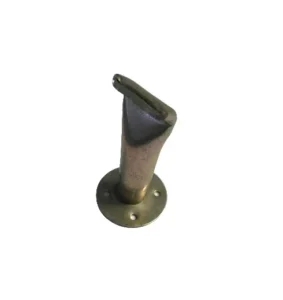
Fixing Socket With Wavy End With Nail Plate
View Details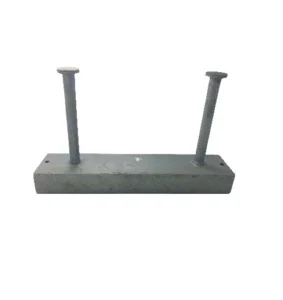
Hot Rolled Cast In Channel
View DetailsChoosing a fixing socket or cast-in channel
Fixing sockets by anchorage
Fixing Socket (M8 to M30, several lengths per size), with Cross Pin for extra pull-out resistance, with Wavy End for a strong bond without extra parts, and with Bent End for shallow or congested sections.
Sockets for timber formwork
Fixing Socket with Nail Plate, with Nail Plate and Cross Pin (the heaviest-duty socket in the range) and Wavy End with Nail Plate nail to the formwork and stay square during casting.
Fixing dowels
The Fixing Dowel with Crimped End ties to reinforcement or formwork and leaves a threaded tip for bolting fittings on site.
Cast-in channels
Cold Rolled Cast-In Channel and the heavier-duty Hot Rolled Cast-In Channel form a continuous slotted track, so a channel bolt can be placed anywhere along it.
Questions buyers ask
Fixing socket or cast-in channel?
A fixing socket gives one fixed threaded point. A cast-in channel lets the bolt position be adjusted along the channel, which helps where fixings must line up with steelwork or facade brackets on site.
Hot-rolled or cold-rolled channel?
Hot-rolled channels are the heavier-duty option with higher load ratings and a choice of bolt-anchor or welded-anchor legs; cold-rolled channels have integral anchor studs.